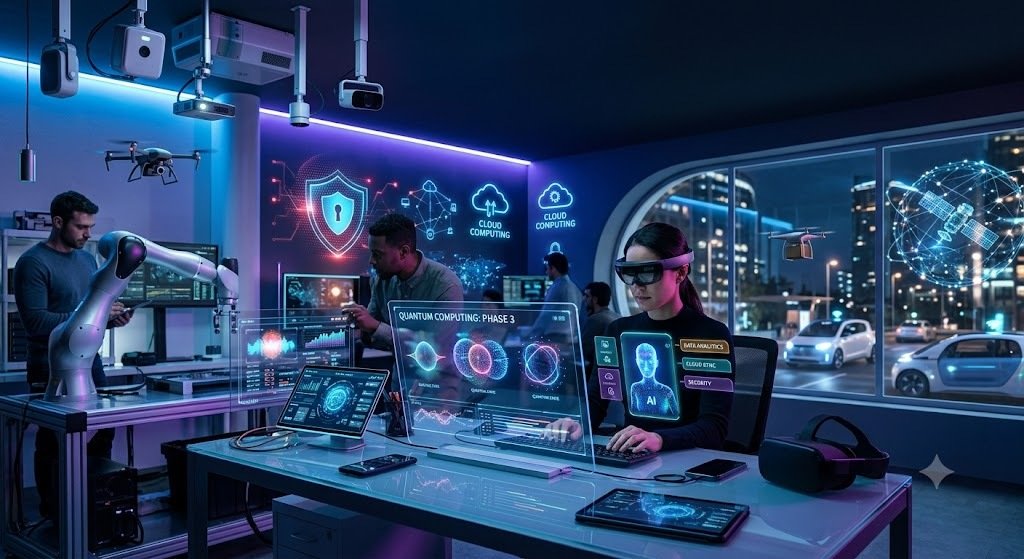
Technology is evolving faster than ever, and 2026 represents a turning point where artificial intelligence, smart devices, and digital infrastructure are shaping every aspect of modern life. From how we work and communicate to how businesses operate, technology is no longer optional—it is essential.
This ultimate technology guide brings together the most important innovations, tools, and trends defining 2026. It acts as a central hub connecting key topics such as AI tools, smart gadgets, cybersecurity, cloud computing, and future innovations. If you want to stay ahead in the digital world, this guide will give you a complete understanding of where technology is today and where it is heading.
The Foundation of Modern Technology in 2026
The modern tech ecosystem is built on three major pillars: intelligence, connectivity, and automation. These elements work together to create seamless digital experiences.
Artificial intelligence powers decision-making and automation. Connectivity through high-speed networks ensures everything stays linked. Automation reduces manual effort and increases efficiency.
These foundations are not separate. They are deeply interconnected, forming a unified system that drives innovation across industries.
Artificial Intelligence: The Core of Innovation
Artificial intelligence is the most influential force in 2026. It is no longer limited to research or specialized industries. AI is now integrated into everyday tools, from mobile apps to enterprise systems.
AI enhances productivity by automating repetitive tasks. It helps analyze large amounts of data quickly, providing insights that humans alone cannot process efficiently. Businesses use AI to improve customer experience, optimize operations, and increase profitability.
For individuals, AI tools are transforming how work gets done. Writing, designing, coding, and even decision-making are now supported by intelligent systems. This shift is changing the definition of productivity itself.
Best AI Tools and Their Growing Importance
AI tools have become essential for both professionals and beginners. They simplify complex processes and allow users to complete tasks in a fraction of the time.
These tools are widely used in content creation, where they generate articles, images, and videos. They are also used in programming, helping developers write and debug code more efficiently.
The accessibility of AI tools means that anyone can leverage advanced technology without deep technical knowledge. This democratization is one of the most important changes in the tech landscape.
If you are exploring this area, understanding the best AI tools available today can significantly improve your workflow and efficiency.
Latest Technology Trends Defining 2026
Technology trends in 2026 are focused on integration and user experience. Systems are becoming smarter and more connected, creating a seamless digital environment.
One major trend is personalization. Technology adapts to user behavior, offering tailored recommendations and automated actions. This improves efficiency and enhances satisfaction.
Another key trend is real-time processing. Data is analyzed instantly, enabling faster decisions and better outcomes. This is especially important in industries like finance, healthcare, and e-commerce.
Understanding the latest tech trends helps individuals and businesses stay competitive in a rapidly changing environment.
Smart Gadgets and Everyday Technology
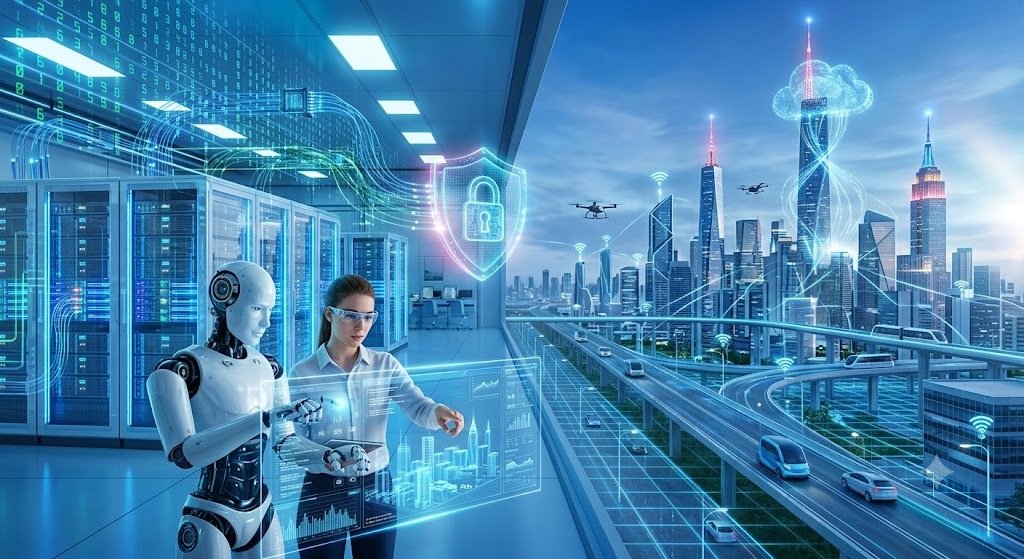
Smart gadgets are no longer luxury items. They have become essential tools for daily life. Smartphones, wearables, and connected devices are now part of a unified ecosystem.
Smartphones act as central hubs, connecting various devices and applications. Wearables track health metrics and provide real-time insights. Smart home devices automate tasks such as lighting, temperature control, and security.
These gadgets are designed to work together, creating a connected lifestyle that improves convenience and efficiency.
Smartphones: The Center of Digital Life
Smartphones remain the most important personal technology device. In 2026, they are more powerful, secure, and versatile than ever before.
Modern smartphones feature advanced processors, high-resolution displays, and AI-powered capabilities. They can handle complex tasks such as video editing, gaming, and remote work.
Battery technology has also improved, allowing users to stay connected for longer periods. Security features such as biometric authentication ensure that personal data remains protected.
Smartphones are no longer just communication tools. They are essential for productivity, entertainment, and connectivity.
Cloud Computing and the Digital Backbone
Cloud computing is the backbone of modern technology. It enables data storage, application hosting, and real-time collaboration across the globe.
Businesses rely on cloud solutions to scale operations and reduce costs. Instead of maintaining physical infrastructure, they use cloud platforms to manage resources efficiently.
For individuals, cloud computing offers flexibility. Files and applications can be accessed from any device, making it easier to work and stay organized.
The growth of cloud computing is also driving remote work, allowing teams to collaborate regardless of location.
Cybersecurity and Data Protection
As technology advances, the importance of cybersecurity continues to grow. Protecting data is essential for maintaining trust in the digital world.
Cyber threats are becoming more sophisticated, targeting both individuals and organizations. This makes it necessary to adopt strong security practices.
Using secure passwords, enabling multi-factor authentication, and keeping software updated are basic but effective measures. Businesses invest in advanced security systems to protect sensitive information.
Data privacy is also a major concern. Users want to know how their information is collected and used. Transparency and security are key to building trust.
Smart Homes and Connected Living
Smart homes represent the future of living spaces. Devices connected through the Internet of Things allow users to control various aspects of their environment.
Lighting, temperature, and security systems can be managed through smartphones or voice assistants. This level of control improves convenience and efficiency.
Smart homes also enhance security. Cameras and sensors provide real-time monitoring, ensuring safety.
As technology continues to evolve, smart homes will become more advanced and widely adopted.
5G and the Future of Connectivity
5G technology is transforming how devices connect and communicate. It offers faster speeds, lower latency, and more reliable connections.
This enables new possibilities such as cloud gaming, high-definition streaming, and real-time communication. It also supports emerging technologies like autonomous vehicles and smart cities.
The expansion of 5G networks is improving digital experiences and enabling innovation across industries.
Productivity Tools and Workflow Optimization
Productivity tools are essential for managing tasks and improving efficiency. In 2026, these tools are powered by AI and automation.
Users can organize schedules, manage projects, and collaborate seamlessly. Automation reduces manual effort, allowing users to focus on more important tasks.
Businesses use productivity tools to streamline operations and improve performance. This leads to better results and increased efficiency.
Understanding how to use these tools effectively can significantly enhance productivity.
The Role of Automation in Modern Workflows
Automation is transforming how work gets done. Tasks that once required manual effort are now handled by intelligent systems.
Customer support, data entry, and scheduling are examples of tasks that can be automated. This reduces workload and improves efficiency.
Automation also increases accuracy, as systems can process information with fewer errors.
As automation continues to evolve, it will play an even larger role in shaping the future of work.
Future Technology Innovations Beyond 2026
The future of technology is filled with exciting possibilities. Innovations in artificial intelligence, robotics, and immersive technologies are expected to shape the next decade.
Augmented reality and virtual reality will create new ways to interact with digital content. Robotics will improve automation in industries such as manufacturing and healthcare.
Advancements in computing will lead to faster and more powerful systems. These innovations will create new opportunities and transform existing processes.
Staying informed about these developments is essential for adapting to the future.
Building Digital Skills for the Future
Understanding technology is no longer optional. It is essential for success in a modern world.
Learning about AI, cloud computing, and cybersecurity helps build valuable skills. These skills are in high demand and will continue to be important in the future.
Adopting new technologies can improve productivity, efficiency, and quality of life.
How This Guide Connects the Tech Ecosystem
This pillar page is designed to connect all major topics within your technology cluster. Each section represents a key area of modern technology.
From AI tools to cybersecurity and smart gadgets, these topics are interconnected. Understanding one area helps in understanding others.
By exploring each topic in depth, users can gain a complete understanding of the digital landscape.
Conclusion
Technology in 2026 is defined by intelligence, connectivity, and innovation. Artificial intelligence, smart devices, cloud computing, and cybersecurity are transforming how people live and work.
This ultimate guide provides a complete overview of these changes, helping users stay informed and prepared for the future.
As technology continues to evolve, staying adaptable and informed will be the key to success. The digital world is changing rapidly, and those who understand it will have a significant advantage.
Back to home

Gareth S. is a Professional Blogger with 15+ years of experience creating engaging, informative, and SEO-friendly content. He specializes in producing high-quality articles across a wide range of topics, helping readers stay informed with well-researched and practical insights.